Source Shockproof Aluminum Carrying Case for Tools, Electronics, and Medical
Find 30 shockproof aluminum carrying case options for tools, electronics, and medical equipment. Compare waterproof, dustproof, and lightweight designs with custom foam inserts and logo printing from Zhejiang suppliers; compare the available evidence and request quotations based on your requirements.
Key considerations
Products List




Comprehensive Sourcing Guide
Shockproof Aluminum Carrying Case Sourcing Guide
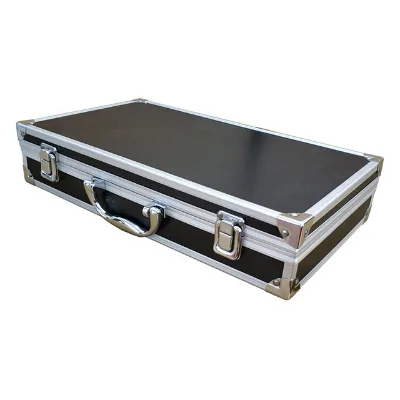
Buyers seeking shockproof aluminum carrying cases must first distinguish between rigid aluminum shells and alternative plastic or composite constructions, as the supplied data indicates a mix of materials including aluminum, plastic, and various foam types like EVA, PU, EPE, and XPE. The core product category encompasses both hand-held and wheeled styles designed for universal packaging, tool storage, and transportation, with specific models like RC6H and RS1010 demonstrating the range of available configurations.
Procurement decisions should prioritize the intended application environment, as the observed listings highlight functions such as waterproofing, shockproofing, and dustproofing which are critical for protecting sensitive equipment during transit. While some entries specify aluminum construction with wall thicknesses of 1.0 mm or 1.5 mm, others rely on plastic bodies with custom foam inserts, requiring buyers to verify the exact material composition to ensure the case meets the specific impact resistance and weight requirements of their logistics chain.
Product Scope and Observed Listing Signals
The market for these protective containers presents a diverse array of customization options, including silk-screen printing, embossed logos, UV printing, and metal plates, allowing brands to tailor the exterior appearance to their specific identity. Buyers will encounter products with varying color palettes ranging from standard silver and black to fully customized requests, alongside foam interiors that can be selected from eggshell, PU, EVA, EPE, or XPE materials to cushion different types of equipment.
Commercial listings reveal significant variation in packaging standards, with some units shipped in polybags and carton boxes while others utilize standard carton packaging alone, and dimensions ranging from compact 28023082mm units to larger 5333.526cm cartons. The observed capacity levels are generally classified as medium, yet the availability of custom sizes and specific model numbers like AC002 and AC152 suggests that suppliers can accommodate unique dimensional requirements for specialized industrial or consumer applications.
Technical Specifications to Verify
When evaluating technical performance, the wall thickness of the aluminum shell is a primary indicator of structural integrity, with observed specifications ranging from 1.0 mm to 1.5 mm, which directly influences the case's ability to withstand heavy impacts and rough handling. Buyers must confirm whether the foam lining is integrated as a custom insert or a pre-formed layer, as the choice between PU, EVA, EPE, and XPE affects the density, rebound properties, and overall shock absorption capability of the final product.
Dimensional accuracy is equally critical, as the data shows a mix of fixed standard sizes and fully customizable dimensions, requiring precise verification against the equipment being stored to ensure a snug fit without excessive void space. The functional claims of waterproof and shockproof performance should be cross-referenced with the specific sealing mechanisms and foam density, ensuring that the selected model, whether hand-held or wheeled, aligns with the rigorous demands of the intended storage or transportation environment.
Compliance and Safety Documentation
Safety and regulatory compliance are often highlighted through certifications such as ISO9001, RoHS, Reach, and GS, which indicate that the manufacturing processes adhere to international quality management and environmental standards. Buyers should request specific test reports to validate these claims, particularly regarding the chemical composition of the foam and plastic materials to ensure they do not release harmful substances, and verify that the aluminum alloy used meets relevant safety thresholds for industrial applications.
Waterproof ratings, such as the observed IP67 certification, provide a quantifiable measure of protection against dust and water ingress, which is essential for equipment used in harsh outdoor or industrial settings. Procurement teams must ensure that the supplier can provide valid, up-to-date certification documents for each batch, as these standards are not merely marketing claims but legal requirements for importing and selling products in many global markets, especially those involving electronic or sensitive mechanical components.
Cost Drivers and Commercial Terms
The final unit cost is heavily influenced by the choice of material, with aluminum shells generally commanding a higher price point than plastic alternatives due to raw material costs and the complexity of forming processes. Additional cost drivers include the customization of the foam interior, the complexity of logo application methods like silk-screening versus embossing, and the specific wall thickness selected, all of which contribute to the overall manufacturing expense and final retail price.
Commercial terms vary significantly, with observed minimum order quantities ranging from 1 to 200 units, allowing flexibility for both small-scale trials and large-volume procurement. Buyers should negotiate based on the total order value and the complexity of the customization, as higher MOQs often unlock better pricing tiers, while the packaging method, whether polybag or carton, can also impact shipping costs and the overall landed cost of the goods.
Supplier Qualification and Quality Control
Supplier qualification should focus on verifying the origin of production, as the data indicates a concentration of manufacturing in Zhejiang, China, a region known for its extensive supply chain capabilities in packaging and protective cases. Buyers must assess the supplier's capacity to maintain consistent quality across batches, particularly regarding the uniformity of foam density and the precision of aluminum wall thickness, which are critical for ensuring that every unit meets the specified shockproof and waterproof standards.
Quality control protocols should include pre-shipment inspections that verify the structural integrity of the latches, the effectiveness of the sealing gaskets, and the accuracy of the custom branding elements. It is essential to establish clear acceptance criteria for defects, such as scratches on the aluminum surface or misaligned foam inserts, and to require the supplier to implement a robust inspection process that aligns with the ISO9001 standards they claim to hold.
Long-Term Procurement Checks
Sustaining a successful supply relationship requires regular audits of the supplier's ability to maintain consistent material quality and adhere to agreed-upon specifications over time. Buyers should monitor the consistency of the foam types and aluminum grades used in subsequent orders, as variations in these materials can compromise the protective capabilities of the cases and lead to equipment damage during transit.
Long-term procurement strategies must also account for the scalability of the supplier's production lines to meet fluctuating demand without compromising lead times or quality. Establishing a clear communication channel for addressing any deviations in product standards or certification validity ensures that the supply chain remains resilient, allowing the buyer to adapt to market changes while maintaining the high standards of protection required for their valuable assets.
FAQs
Can I customize the logo on the aluminum case?
Yes, logo customization is available for these cases. You can choose from silk-screen printing, embossing, UV printing, or metal plates. This allows you to brand the protective packaging effectively for your specific business needs while maintaining the durable aluminum construction.
What foam materials are used inside the case?
The interior typically uses high-quality foam such as EVA, PU, EPE, or XPE. These materials provide excellent shock absorption and protection for sensitive tools or equipment. The foam can be custom-cut to fit your specific items securely within the aluminum shell.
What certifications do these aluminum cases have?
These cases often carry certifications like ISO9001, RoHS, Reach, and GS. Some models may also feature IP67 ratings for waterproof and dustproof performance. These standards ensure the product meets international quality and safety requirements for industrial and commercial use.
What is the wall thickness of the aluminum material?
The aluminum wall thickness is typically available in 1.0 mm or 1.5 mm options. This thickness provides a balance between lightweight portability and robust durability. It ensures the case can withstand rough handling during transportation while protecting the contents inside effectively.
Are these cases suitable for universal packaging?
Yes, they are designed as universal packaging cases for various applications. They serve well for tool storage, transportation, and general protective needs. The customizable interior foam and durable aluminum exterior make them versatile for storing electronics, instruments, or other valuable items securely.
What is the standard carton size for shipping?
The standard carton size is approximately 53*33.5*26cm. This dimension is optimized for efficient shipping and storage logistics. It allows multiple cases to be packed securely in export cartons, reducing freight costs and ensuring safe delivery to your destination warehouse or client.